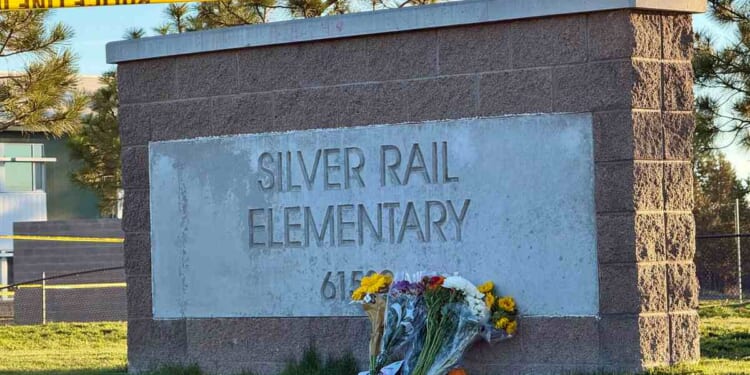



Daniel and Lisa Sheley chose a Catholic preschool for their children. Their Supreme Court brief says Colorado’s supposedly universal preschool program has denied them more than $12,000 in tuition assistance because of that choice.
For a family paying tuition, “universal” apparently comes with expensive fine print. Colorado will help pay for preschool, provided the school accepts conditions the Catholic plaintiffs say require them to abandon their religious practices.
On Tuesday, November 3, the Supreme Court will hear St. Mary Catholic Parish vs. Roy. While Americans decide who should wield political power, the justices will consider limits on how government uses its spending power.
Colorado’s program pays for 15 hours of weekly preschool through participating public, private, and religious providers. Schools must offer equal enrollment opportunities regardless of protected characteristics, including religion, sexual orientation, and gender identity.
The Catholic schools require families to support their religious mission, including Church teachings on marriage and sexual identity. The plaintiffs argue that Colorado’s conditions prevent them from participating while remaining faithful to those commitments.
Colorado answers that it welcomes religious instruction and religious providers. Its objection concerns enrollment restrictions: every participating school must provide publicly funded services without excluding families because of protected characteristics.
The state also disputes the claimed exceptions. It argues that specialized services for children with disabilities and low-income families advance equal opportunity rather than undermine it. The Tenth Circuit upheld the challenged requirements, and Colorado asks the justices to leave that judgment intact.
Catholic schools exist to teach Catholicism and help parents raise children within the faith. Officials who welcome religious schools should understand that their beliefs shape how they operate, including the commitments they seek from families.
A government invitation loses much of its value when officials insist that religious participation must fit their preferred definition of acceptable religious practice. Parents choosing a Catholic education have already made a judgment about the upbringing they want for their children.
The Supreme Court has previously rejected religious exclusions from public benefits. In Carson v. Makin in 2022, it struck down Maine’s exclusion of religious schools from a tuition-assistance program, rejecting an attempt to distinguish religious identity from religious use of the money.
Maine could choose whether to subsidize private education. Once it offered that benefit, the Constitution constrained its power to exclude schools, because they provided religious education.
Colorado’s case tests how those protections apply when the disputed conditions are framed as neutral enrollment rules. The Court accepted two questions involving public benefits and whether a law applies generally; it didn’t accept the separate request to overturn Employment Division v. Smith altogether.
As a Catholic and a father, I find the parental question hard to dismiss. Families who choose religious schooling understand that faith reaches beyond a scheduled prayer or a crucifix on the wall.
It informs what children learn about obligations, family, human dignity, and God. A preschool’s religious mission can’t be reduced to whatever remains after government finishes writing the participation contract.
Colorado chose to offer a program through different kinds of schools. It should accommodate meaningful religious differences within that choice, with the First Amendment guiding the limits of its conditions.
Government funding comes from people with competing convictions, including the parents seeking a Catholic education. Their participation in public life should carry the same weight as anyone else’s. A benefit offered through private schools ought to respect the reasons families choose those schools, especially when those reasons concern the faith they hope to pass to the next generation.
Tuesday’s argument will examine how far officials may go. The families paying tuition already know how much the answer can cost.
Support independent conservative commentary with PJ Media VIP. Get 60% off with promo code FIGHT and help keep government overreach under scrutiny.