
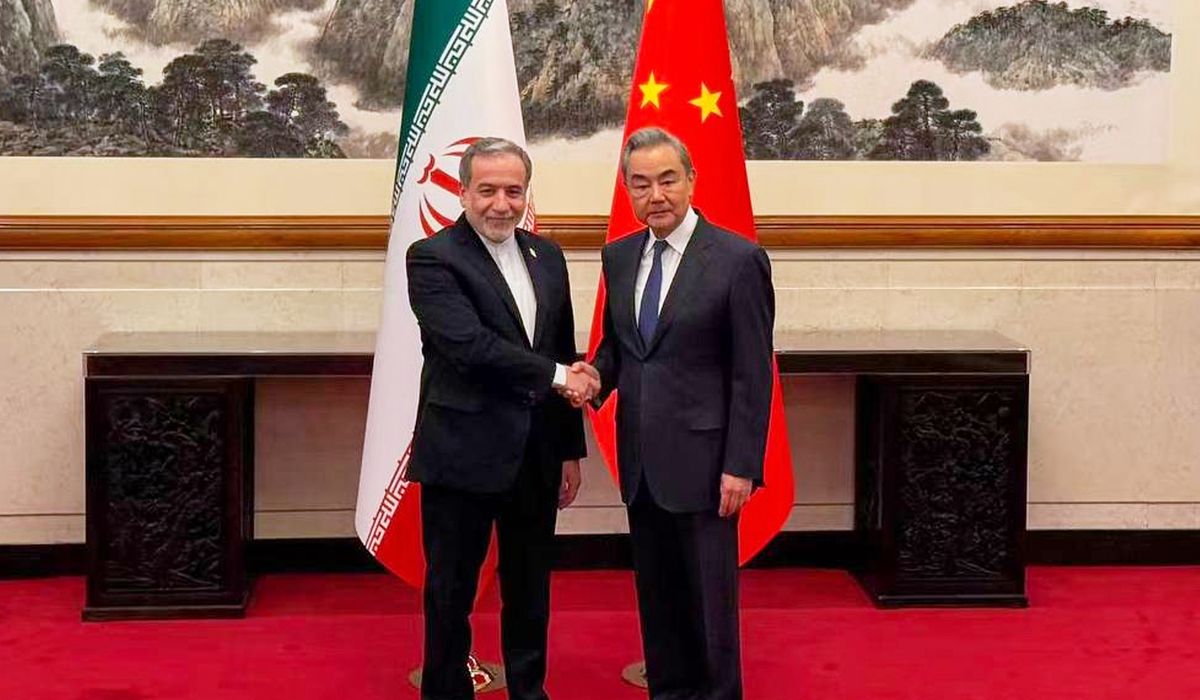
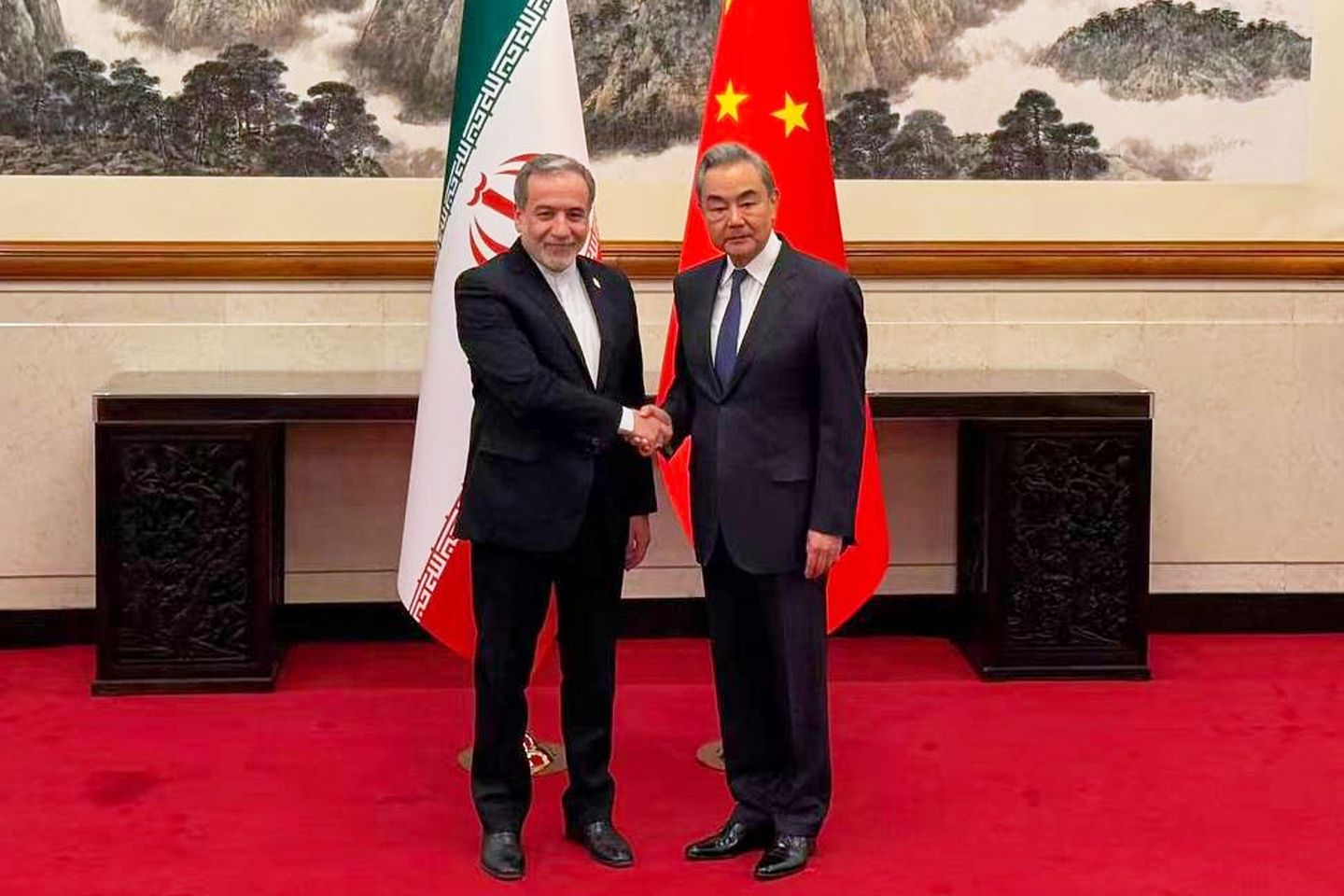
Chinese Foreign Minister Wang Yi hosted his Iranian counterpart, Abbas Araghchi, for talks in Beijing Wednesday and pushed for an agreement that would end hostilities and reopen the Strait of Hormuz.
Mr. Wang stressed China’s concerns about the ongoing blockade of the Strait of Hormuz, saying his country was “deeply distressed” by the war.
“We believe that a comprehensive ceasefire is urgently needed, that a resumption of hostilities is not acceptable, and that it is particularly important to remain committed to dialogue and negotiations,” Mr. Wang said, according to a statement from China’s Foreign Ministry.
The Chinese Foreign Ministry has blamed the closure of the Strait of Hormuz on both Iran and the U.S. and has called on both parties to ensure safe shipping through the waterway.
China is the largest customer of Iranian oil, purchasing at least 90% of Iran’s exports each year.
Indeed, Mr. Wang made it clear that China supports “Iran’s efforts to safeguard its national sovereignty and security,” including through the enrichment of uranium.
SEE ALSO: U.S. says ceasefire with Iran intact despite skirmishes at sea, missile strikes
He also reiterated China’s commitment to its partnership with Iran and said his country is willing to play a larger role in the ongoing peace process.
Mr. Araghchi echoed Mr. Wang’s assessment of the strategic partnership between China and Iran in his comments. He also provided a detailed overview of the ongoing negotiations with the U.S., which have been mediated by Pakistan, according to a statement from Iran’s Foreign Ministry.
Mr. Araghchi is the first Iranian representative to visit China since the war with the U.S. and Israel began in late February.
The Iranian envoy also emphasized that Iran is committed to finding a diplomatic solution to the conflict, adding that “facts have proven that the political crisis cannot be resolved through military means.”
Notably, Iran did not commit to reopening the Strait of Hormuz or to allowing the free flow of commercial shipping.
The Wednesday meeting precedes the high-profile summit between President Trump and Chinese President Xi Jinping, scheduled for next week. The two leaders are likely to discuss the status of diplomatic talks and efforts to de-escalate tensions in the Strait of Hormuz.
SEE ALSO: Markets cheer signs of a possible U.S.-Iran deal
Iranian authorities have kept the strait effectively closed for more than two months by threatening to use small boats, drones and missiles to attack commercial ships. At least 20% of the world’s oil passes through the strait each year, and the conflict has driven energy prices up dramatically.
Still, Iran has allowed tankers carrying Iranian oil to safely traverse the strait on their way to export countries such as China.
The U.S. last month announced its own counterblockade, restricting all access to Iranian ports. Iran has argued that the blockade is an act of war and a clear violation of the ceasefire agreement signed earlier in April.
Mr. Trump on Tuesday announced a temporary pause on “Project Freedom,” the U.S. operation to guide commercial ships through the Strait of Hormuz, citing progress toward a peace deal with Iran. The president had launched the plan on Sunday.