

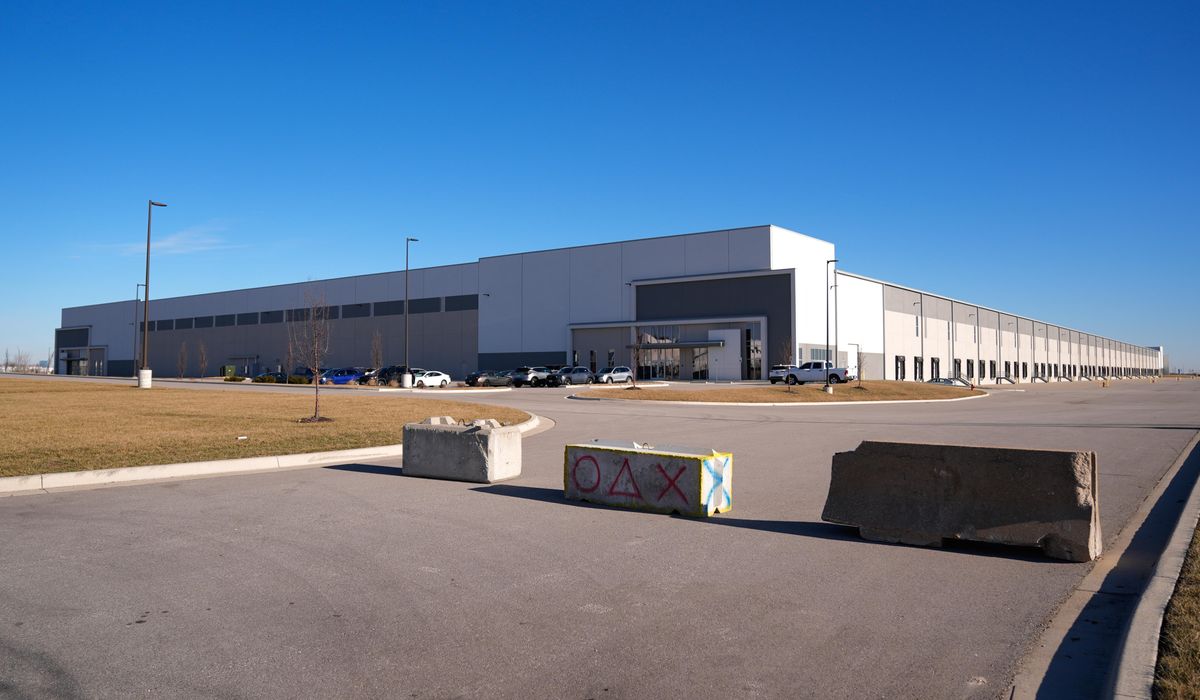
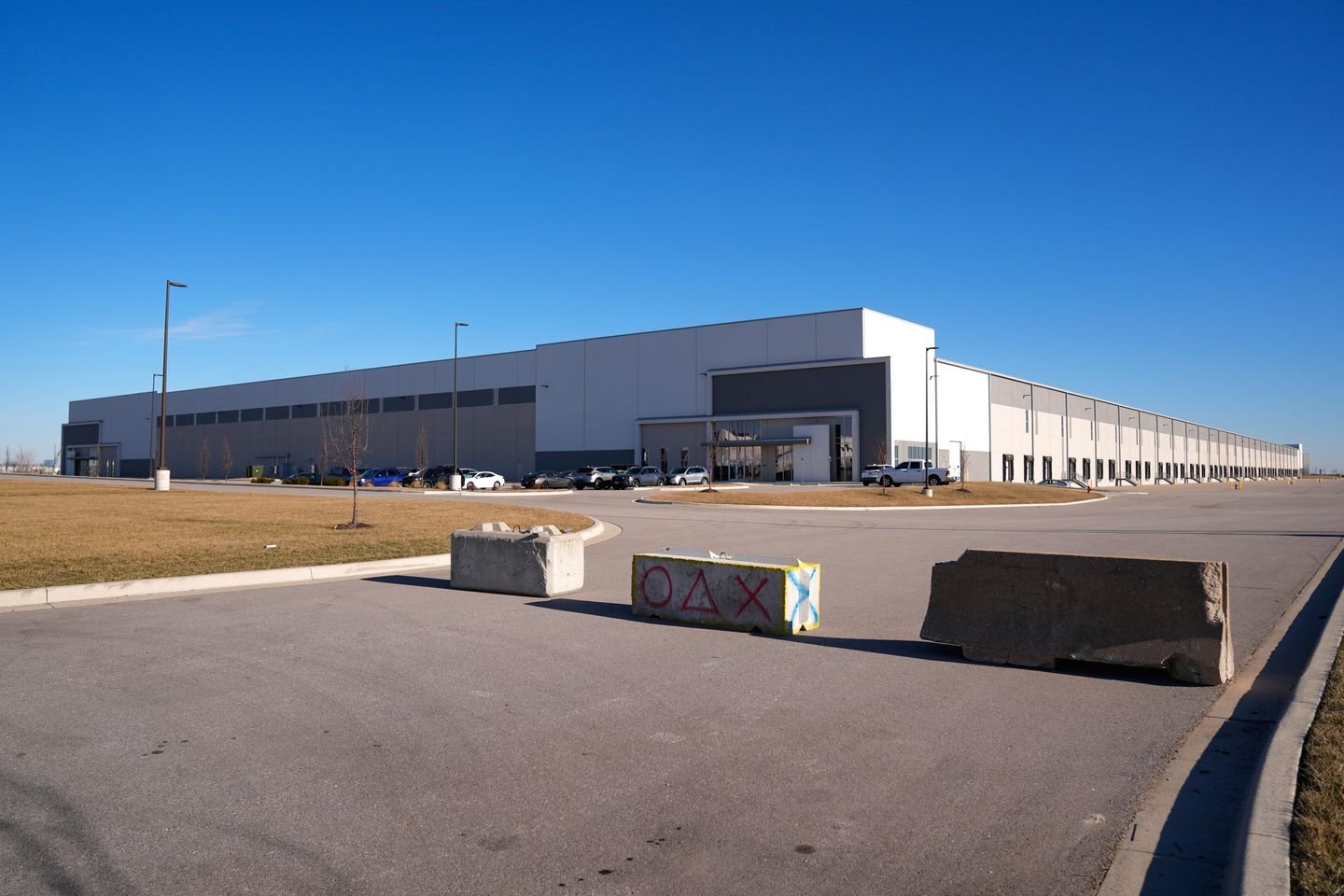
New Jersey sued Friday to try to head off ICE’s plans to turn a massive warehouse in Roxbury into a detention facility, saying the Trump administration is flouting immigration, environmental and procedural laws as it rushes to refurbish the building.
The state said the warehouse isn’t the right place to hold detainees and that the needed construction would overtax local infrastructure.
“The Roxbury Warehouse is a logistics center fit for Amazon Prime packages, not people,” the state said in the lawsuit. “Among other things, it currently has a total of four toilets, despite the planned influx of up to 1,500 detainees and hundreds more ICE employees.
New Jersey said U.S. Immigration and Customs Enforcement has already bought the site and is soliciting construction bids, despite state and local opposition.
The state asked the judge to halt the project until Homeland Security completes an environmental study, gathers more input from local officials and considers alternative sites.
The Washington Times has sought comment from DHS for this story.
ICE’s planned expansion of its detention capacity has sparked fights with communities across the country.
A federal judge in Maryland halted plans to convert a warehouse in Williamsport, giving an initial win to state officials who said the infrastructure couldn’t handle the 1,500 detainees planned for that spot.
New Jersey said ICE’s push to build its own facilities is a marked departure from the past, when the deportation agency relied on renting space from state and local prisons and jails, or from private prisons.
But ICE has faced increasing resistance from sanctuary policies restricting state and local contracts with the agency.
And now that it’s flush with cash from last summer’s One Big Beautiful Bill budget law, the agency has sought to ramp up its detention capacity by building its own facilities.
A February planning document said ICE wants to stand up eight large-scale detention centers, 16 regional processing sites and 10 facilities where ICE already operates. The goal is to have a total of 92,600 beds available to ICE by Nov. 30.
As of Feb. 7, the last data available, ICE had 68,279 detainees in custody.
Experts have argued that increased detention capacity is at the heart of any serious effort to increase deportations. If migrants are detained, their cases move more quickly and they can be removed quickly.
By contrast, those released can see their cases drag on for more than a decade, and they can abscond.
Immigrant-rights groups argue that there are alternatives, such as monitoring.
ICE says that’s impractical for the large numbers at issue. Some 1.6 million migrants who are out in communities have current deportation orders.