
Every small town has a meeting room with a large table, folding chairs, and a microphone that cuts out if somebody leans too hard on the podium. Whenever a serious speaker steps up, people straighten in their chairs, not because of hype or applause, but because the voice is prepared: calm, grounded, and capable of answering hard questions without notes taped to the podium.
For the first time in years, Minnesota has that voice in the room.
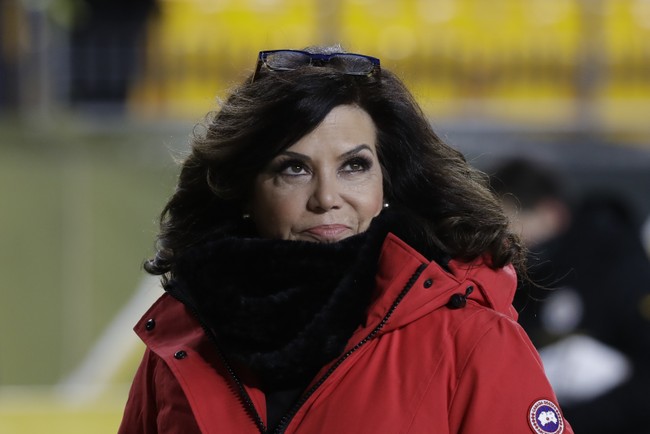
Michele Tafoya announced a run for the United States Senate, and her declaration followed a script familiar to anybody paying attention: admiration from people hungry for competence, and dismissal from critics who confuse career labels with intellectual limits.
For years, I walked the sidelines when the stakes were the highest, and that job taught me how leadership really works.
I’m running for U.S. Senate to bring that experience to Washington and deliver the real results Minnesota deserves. pic.twitter.com/vDbHWpAXg9
— Michele Tafoya (@Michele_Tafoya) January 21, 2026
“For too long, hardworking people have been ripped off by criminals, corporations, and career politicians, and the people doing everything right are the ones paying the biggest price,” Tafoya said in a video posted to X. “Well, I’m not going to stay on the sidelines any longer.”
A Communicator Built for Pressure
Tafoya didn’t spend a career asking soft questions in friendly rooms; she worked the sidelines for the NFL, a place where preparation quickly shows, while mistakes echo forever.
Working on live television means there are no rewrites, and athletes don’t provide rehearsed answers when seasons hang in the balance.
That background plays well in politics, where vagueness gets punished the same way. Voters sense when answers are nothing more than an Obama-esque monologue, and Tafoya’s strength comes from providing clarity under pressure—skills learned where timeouts end and the camera stays live.
Politics in Minnesota hasn’t suffered from a lack of voices; it’s suffered from a clear lack of clarity.
The Predictable Smear Cycle
Count it down. Three. Two. One. Zero.
Tafoya will be diminished as nothing more than a former sideline reporter, as if that job description negates professionalism, intelligence, or judgment. Those charges will be delivered by people with concerned eyebrows behind panel discussions; then the criticism will harden into condescension.
It’s an irony that has been writing itself for years; media figures cross in and out of politics all of the time, especially on the left. Commentators become candidates, who become commentators again. Credentials flex depending on the party registration.
When an R sits next to the name, talent suddenly vanishes in opponents’ eyes, credibility disappears like a small cloud on a windy day, and experience gets airbrushed into trivia. It’s a double standard that voters notice.
Minnesota’s Credibility Gap
The political situation in Minnesota is in dire need of restoration, more than reinvention. People want public officials who can clearly explain their positions while defending them without resorting to kabuki theater.
Tafoya’s career prepared her for those tasks.
Listening first was how Tafoya built trust, followed by direct responses. Interviews worked because her preparation was met with respect, a posture that translates well in committee hearings, townhalls, and negotiations, where patience is the more critical skill.
The Senate doesn’t need any more people pining for attention; it needs people who hold the line on questions and keep their composure.
Why Tafoya Fits the Moment
Tafoya is entering politics at a disadvantage: she doesn’t possess the usual insulation, missing out on decades of talking points and a language shaped by consultants afraid of candidates’ ability to speak in clear sentences. It’s a freshness that brings honesty and risk.
Her declaration signals confidence in voters rather than contempt for them, trusting Minnesotans to know substance when they hear it, even when critics try to change the subject.
In today’s politics, credibility comes from earning respect before entering the room, not from never leaving the room.
The Room Gets Quieter
As serious voices approach a microphone, people stop talking, chairs stop scraping the floor, and people lean forward.
It’s the energy Tafoya brings to a political culture desperate for it. First the noise rises, as it always does, followed by questions and answers, and finally, substance settles in.
It’s at that point where credibility begins rebuilding.
Final Thoughts
Microphones don’t care about résumés; instead, they reward preparation and punish bluffs. That’s something Minnesota voters instinctively understand.
Michele Tafoya steps into a race built on that truth, and when the room listens, politics work better.
Serious candidates draw serious conversations. PJ Media VIP exists for readers who want politics treated with that same respect. Join the discussion here.