
A federal judge ruled Friday that federal agents in Minnesota have been too harsh in dealing with anti-ICE protesters, and specifically forbade them from taking action against people who trail their vehicles as long as they keep a reasonable distance.
Judge Katherine Menendez, a Biden appointee to the court, said she’d seen too many instances of apparently peaceful protesters either stopped or blasted with pepper spray, which she said seemed to be retaliation for their exercise of their First Amendment rights — which include trailing officers while they are making arrests.
“Plaintiffs have established an ongoing, persistent pattern of defendants’ chilling conduct,” she said. “Taken as a whole, the record adequately illustrates that Defendants have made, and will continue to make, a common practice of conduct that chills observers’ and protesters’ First Amendment rights.”
She specifically forbade federal officers from stopping or arresting drivers unless they are “forcibly obstructing or interfering” with the agents.
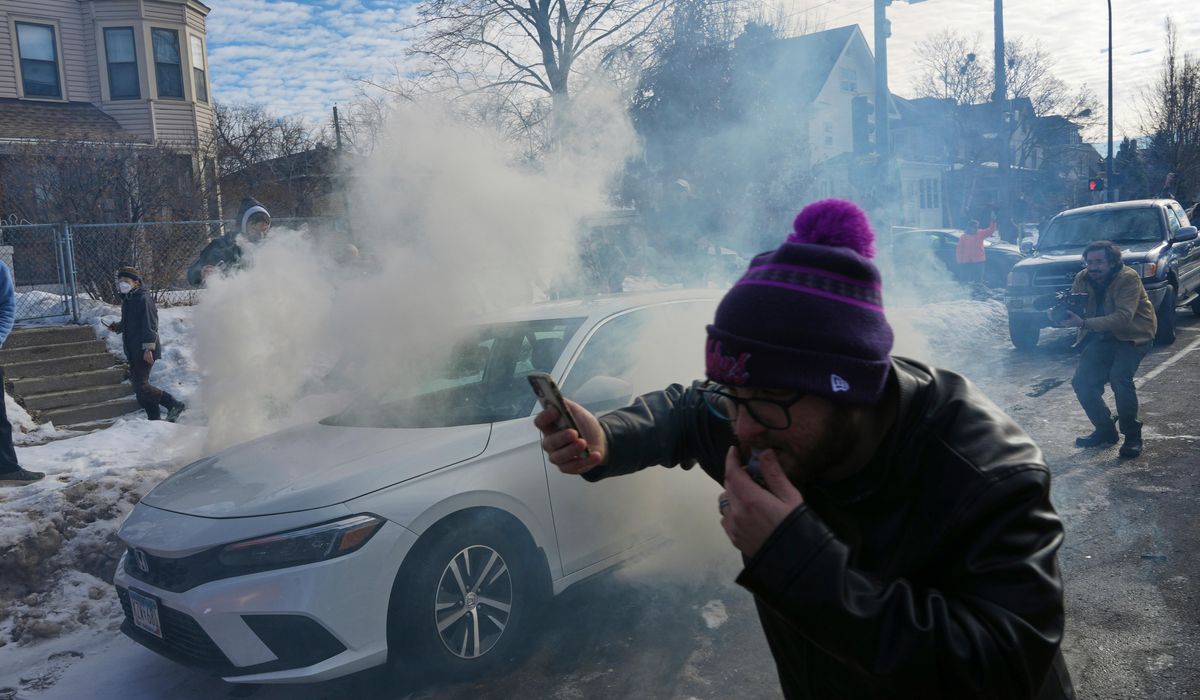
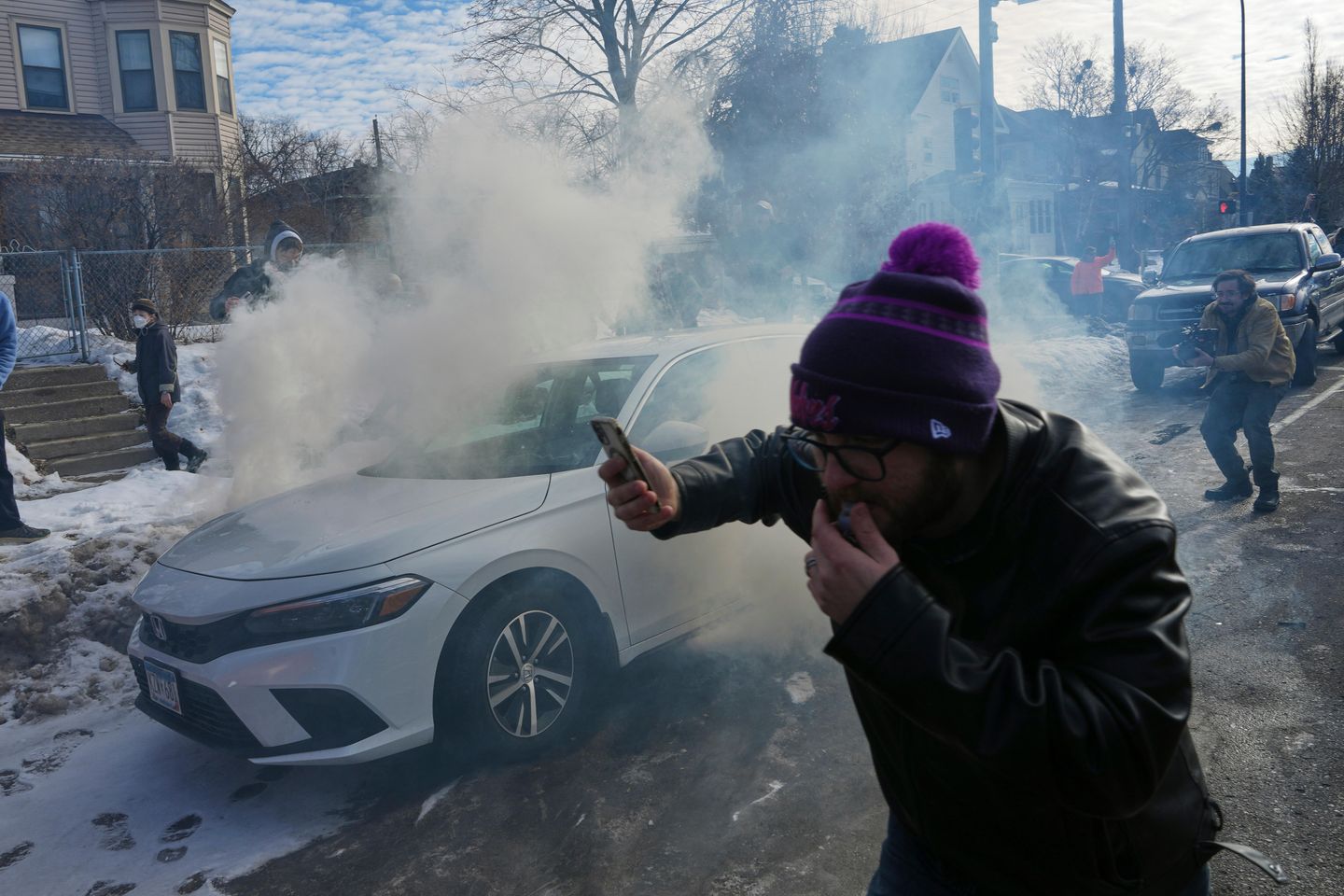
She also forbade the use of pepper spray against “peaceful and unobstructive” protesters.
Judge Menendez is the latest in a string of federal courts to try to constrain crown control measures used by federal officers during Trump-ordered immigration enforcement surges.
A similar ruling in Chicago last year was blocked by an appeals court.
The same legal battle has also been fought in Los Angeles.
In her ruling, Judge Menendez faulted U.S. Immigration and Customs Enforcement agents for wrongly stopping some people who were following in their vehicles but were driving safely. She said those stops violated the Fourth Amendment because officers had no legal basis to conduct the stops.
Judge Menendez also said it appears federal officers have been too quick to use pepper-spray as a crowd control device. She pointed to several videos where she said protesters were walking away when ICE officers “indiscriminately sprayed” them.
She said that was probably an illegal retaliation for the protesters exercising their First Amendment rights.