
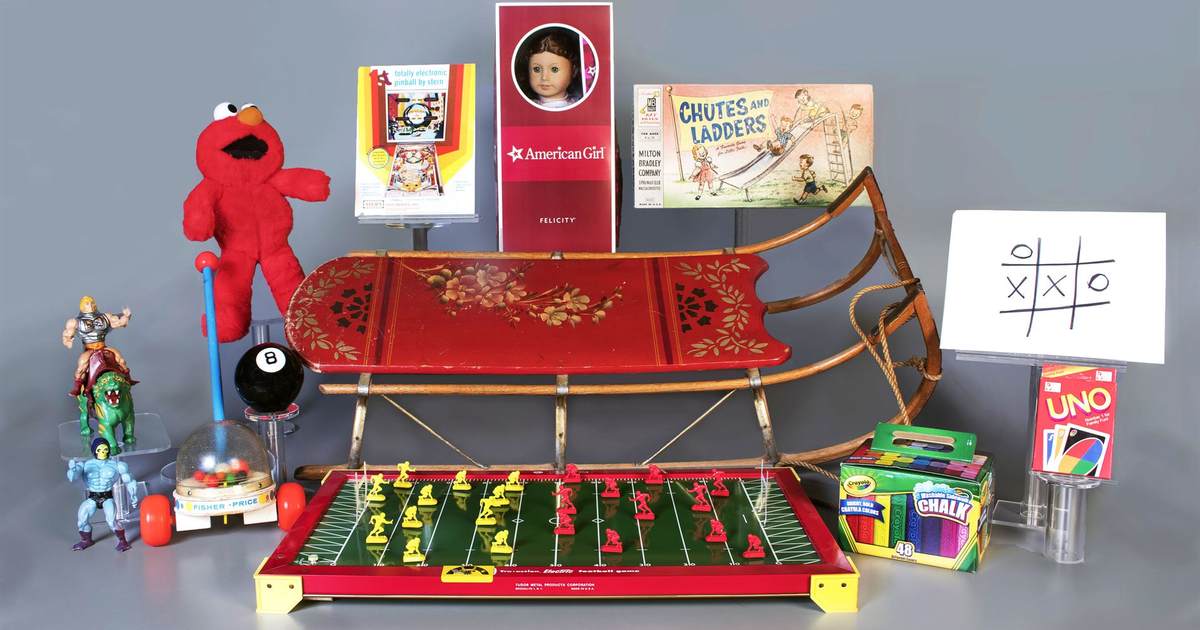
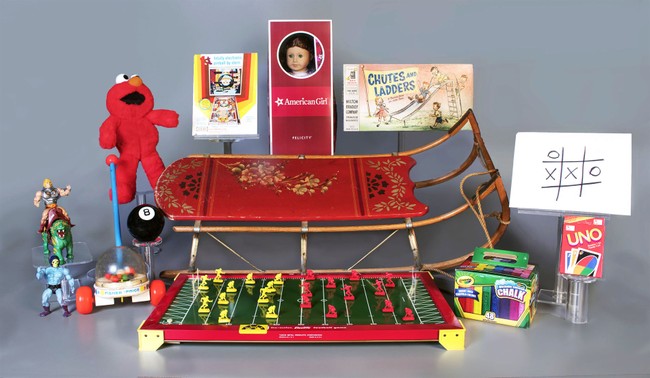
When you inquire of a small child what their favorite type of toy is, they may reply that their prized possession is some sort of doll, stuffed animal, or character.
What this child probably knows, but does not yet have the words to communicate, is that this doll or character subconsciously affects their mental state.
That character, acting as an “authority,” “peer” or “friend,” is helping cement possible values, preferences, dreams, and eventual vocation, whether in a positive or negative manner.
How may unreality affect reality, and how could plastic or cartoon characters affect human minds? How are they altering a child’s values?
At first glance, an adult would believe that a character or doll has no power to affect a child’s mental state and self-image. Granted, characters and dolls are not real—they cannot really think or speak to the child—but they still are able, in some fashion, to form a child’s perceptions of their world.
What, then, is a positive influence through characters and dolls? Which ones help cultivate a holistic image?
Healthy characters
Perhaps the historical American Girl characters—“Samantha,” “Addy,” “Molly,” “Kit,” and others—are the “good guys” of dolls, since they are more like the typical girl of around eight years old and their backstories are rich with adventure, peril, and childhood innocence—not concerns of fashion and the American dream.
For instance, Kit is a girl surviving in the 1930s Great Depression. However, she shows selflessness as she gives her silky, silver overcoat to a shivering peer who has nothing in her story.
Samantha lives in Victorian times and is concerned about dangerous factory conditions, and Molly’s story is set in World War II.
Traditional children’s literature, like Amelia Bedelia, The Chronicles of Narnia, or Winnie the Pooh, can also help children envision a variety of adventuresome, exciting situations in play and a wide range of vocational choices in later years.
While reading a Pooh book, for instance, a child could imagine becoming an animator or illustrator because they appreciate the simple but beautiful illustrations.
Books with positive and rich stories, interesting fantasy and adventure, and a defined sense of right vs. wrong, including characters showing grit and perseverance, and a wide range of roles from “childlike” (e.g., Pooh) to “wise” (Rabbit), are developmentally healthy for children. They are deep and unfettered.
Other types of characters
Unfortunately, many newer characters were created to serve illogical purposes and could damage a child’s mind. Luckily, these new characters do not stay in the public eye for long and become unpopular fast.
To introduce such ideas, producers have occasionally advertised developmentally confusing content with established characters that had been around for decades, as if they knew that creating a completely new show and dramatis personae with those messages is often a way to become forgotten.
Fusion of the healthy and unhealthy
Birmingham First United Methodist Church in Alabama had a watch party screening “Mr. Ratburn and the Special Someone” in June 2019.
GBH, the Boston PBS affiliate that produced Arthur, gave the church special copyright permission to play the episode at a public venue. This watch party was associated with two LGBT film festivals.
In this episode, the “good” teacher Mr. Ratburn becomes wedded to another man, with no way for a busy parent to know about the change until 48 of 50 U.S. states aired the infamous episode, and no buildup given.
While the event description mentioned mysterious “other surprises,” the refreshments included sweet treats and apple juice, fusing a youngster’s healthy curiosity about parties with obviously unhealthy content.
This was after the Methodist denomination split following then-recent interpretations of Christian doctrine on LGBT issues. The celebration was evidently meant to bolster the church’s ego.
Healthy trumps unhealthy
Fortunately, this sort of content, popular for that moment, has been declining in popularity since 2024, possibly after Trump’s landslide victory. Parents have canceled modernized streaming services such as Disney, PBS, and Netflix, and returned to the original characters that were healthy for children’s development.
For instance, many companies redistribute Winnie-the-Pooh books nowadays, as the original story is old enough to be in the public domain, and the idea of Pooh is not just owned by Disney. Healthy trumps unhealthy, and original ideas trump unoriginal ones.
Recommended: Webster and Wilde: The Importance of Teaching Kids Truth
Editor’s Note: Do you enjoy PJ Media’s conservative reporting exposing the radical left and woke media? Support our work so we can keep bringing you the truth.
Join PJ Media VIP and use promo code FIGHT to receive 60% off your membership.