
The Virginia Supreme Court has thrown out the state’s new congressional district map that skewed four seats to the Democrats, ruling it violates the state’s constitution and cannot be used in the upcoming midterm elections.
The 4-3 ruling Friday is a significant blow to Democrats and throws out a map that would have likely ensured the party won 10 of Virginia’s U.S. House seats and left just one district likely to elect a Republican.
The map was approved in a voter referendum last month by a margin of 51.5% to 48.5%, following one of the most expensive campaigns in state history.
The court ruled the General Assembly violated the constitution in drawing the new map, which, it said, “irreparably undermines the integrity of the resulting referendum vote and renders it null and void.”
Democrats significantly outspent the GOP in advertising and get-out-the-vote efforts, hoping to pick up four additional U.S. House seats in the hotly contested November battle for control of Congress.
Virginia is one of several states that have scrambled to gerrymander congressional lines ahead of the November election, and many of the newly drawn maps face court challenges.
The Virginia Supreme Court voted down the map after hearing from opponents who said the Democrat-led Virginia General Assembly violated the state’s constitution when it convened a special session to redraw the map.
Lawmakers authorized the special session by simple majority vote, rather than a two-thirds vote typically required for a special session.
The Supreme Court also heard the argument that the General Assembly violated the constitution by failing to adhere to a 90-day waiting period before commencing the special election to approve the new map and jilted voters by convening the special session after early voting began in the election to pick new delegates for the legislature.
The timing denied voters the knowledge that the delegate they voted for would move to gerrymander the state’s congressional district lines.
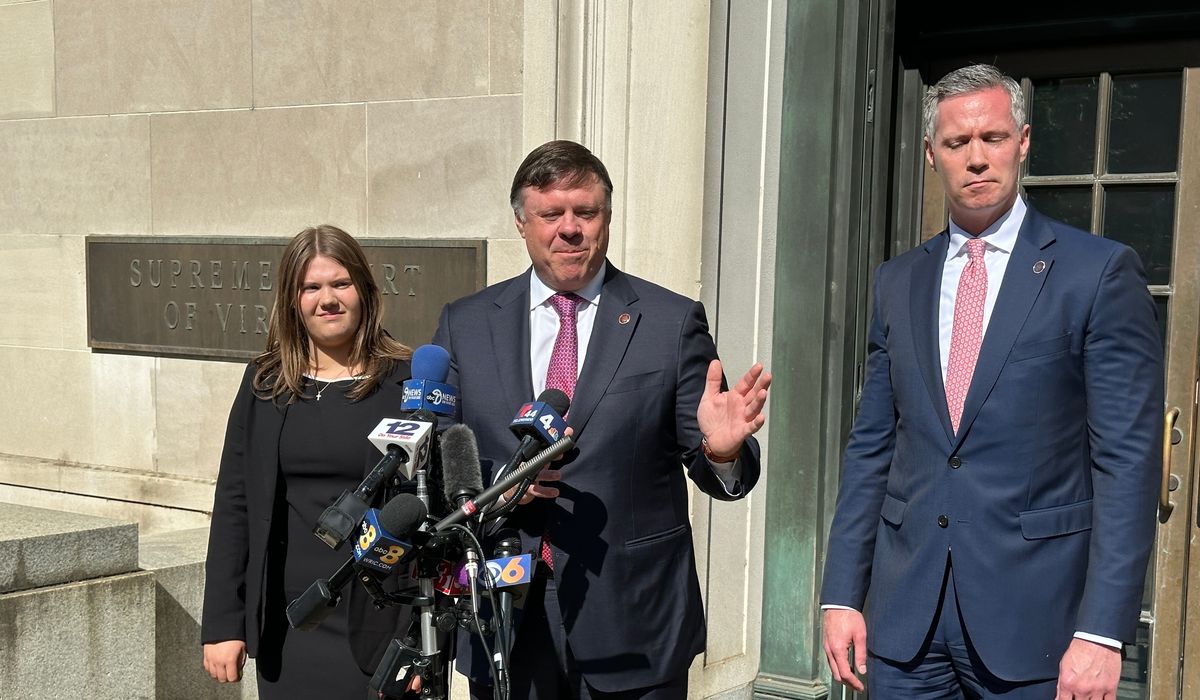
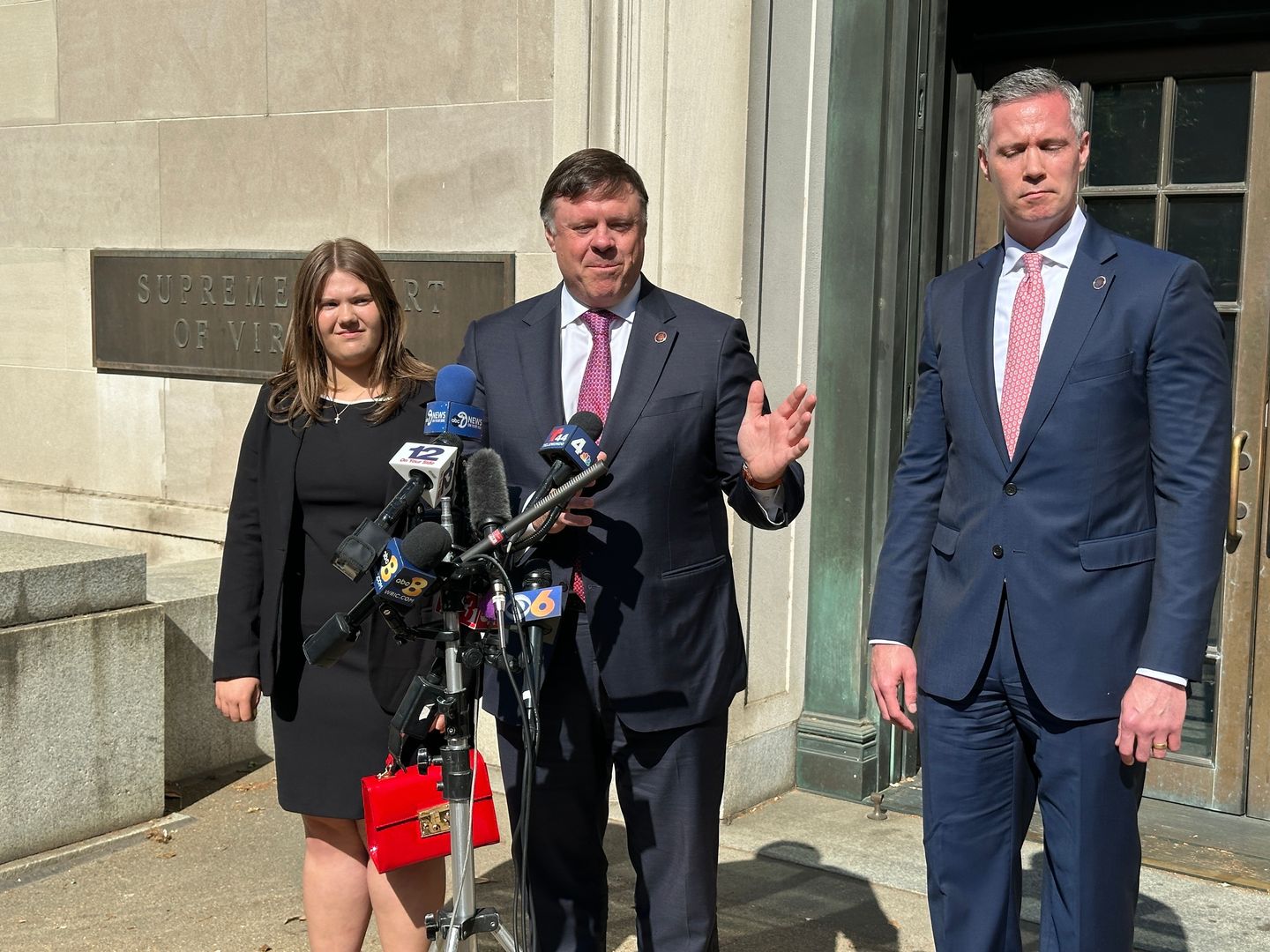
“None of these voters had any idea this was coming. And that’s not how the process is supposed to work,” Thomas R. McCarthy, a lawyer for Republican opponents of the map, argued before the seven-member panel.